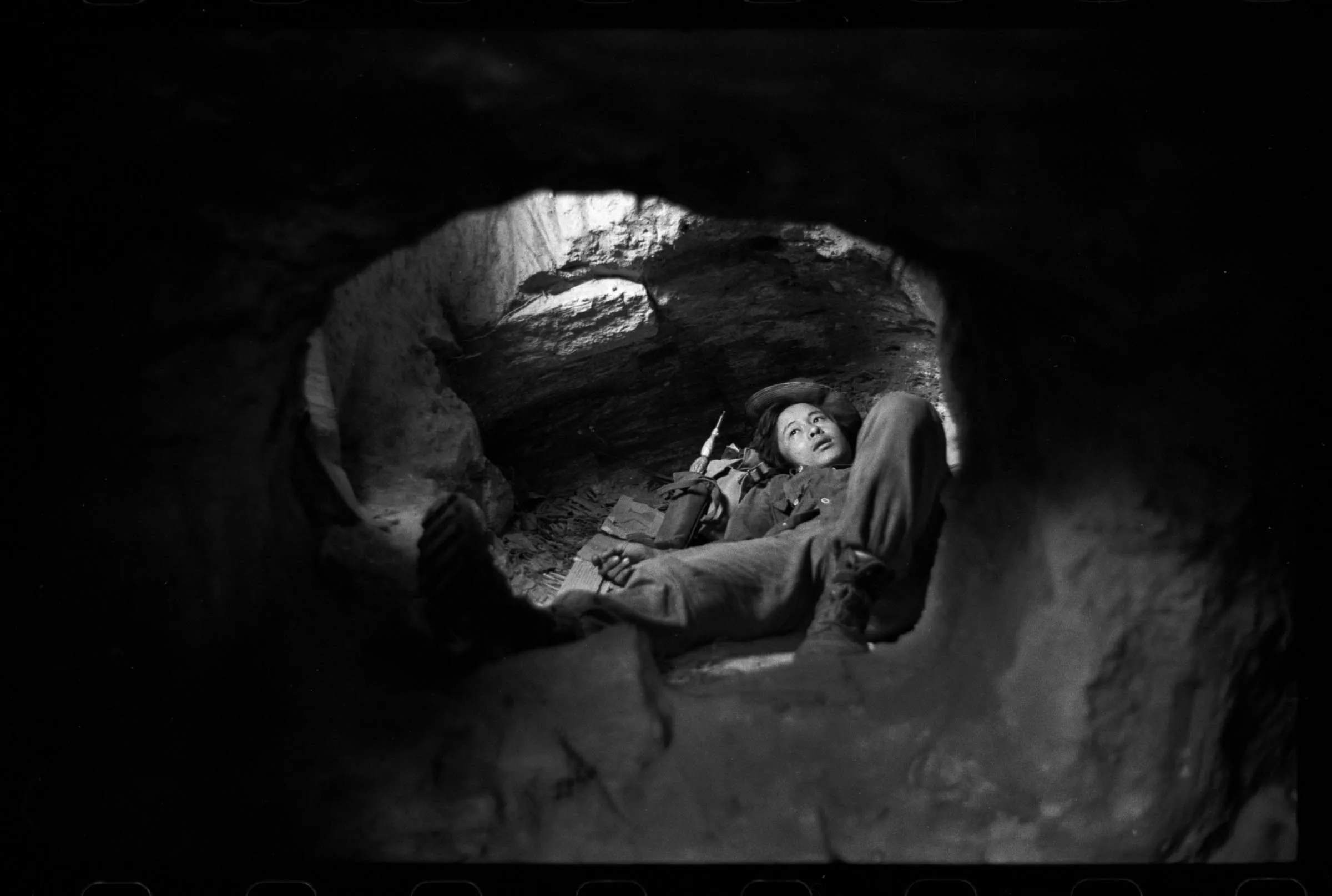
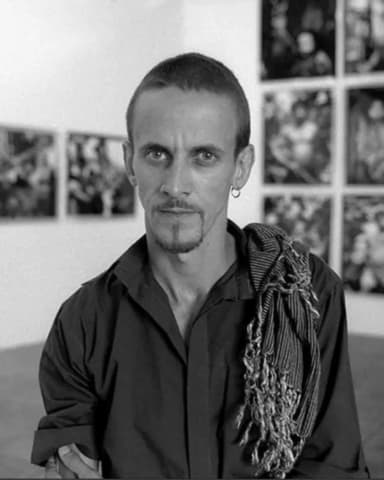
Philip Blenkinsop si arrabbia.
"Mantieni la rabbia" – come si dice. Blenkinsop è un fotoreporter australiano che ha abbandonato una carriera in ascesa nell'Australia occidentale per cercare nuove sfide nell'Asia orientale. E le ha trovate. Come osservatore e giornalista, dovrebbe rimanere imparziale. Raccontare la storia, illuminare i fatti e evitare di coinvolgersi personalmente. Ma il suo senso di giustizia è forte e capisce l'importanza di informare le persone sulle lotte che altre persone affrontano nella loro ricerca di libertà, governi liberali e principi democratici.
Il suo lavoro in Asia lo porta in Thailandia, dove i manifestanti del Fronte Unito per la Democrazia hanno bloccato le strade e affrontato la milizia; in Birmania, dove un regime odioso persiste; in Nepal, dove, ancora una volta, una rivolta popolare è accolta con atti di brutalità. Il fotografo esperto e astuto, che ha visto più di quanto molti possano immaginare nei suoi 20 anni nella regione (e sa quando è il momento di abbassare la testa), rischia comunque la vita per affrontare un soldato che ha appena picchiato un giovane dimostrante con il suo manganello – probabilmente in modo fatale.
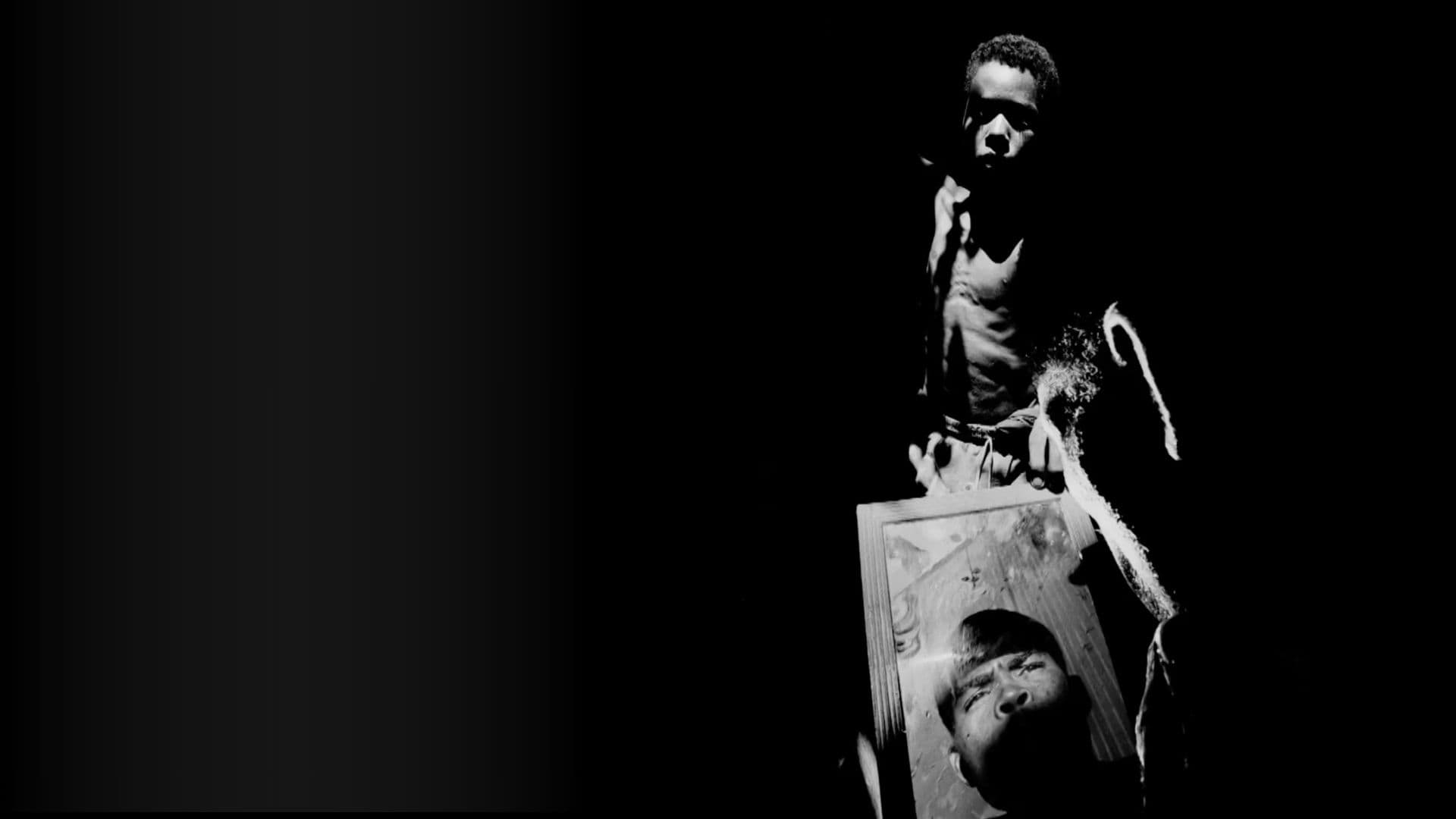
L'eccellente documentario di David Bradbury all'interno di un documentario cattura questo momento, e la rabbia latente in un uomo apparentemente sereno colpirà chiunque apprezzi il disgustoso tradimento del popolo Elmong, mentre vagano smarriti e braccati nella zona proibita del Laos. È una grande denuncia agli Stati Uniti per non aver rispettato l'impegno verso i suoi alleati nella guerra del Vietnam. Walt Kowalski, interpretato da Clint Eastwood, ha ripagato parte di quel debito in Gran Torino, ma le immagini di Blenkinsop rafforzano la macchia persistente che disonora il coinvolgimento dell'America in quel disastro.
Protagonisti
Autori e protagonisti
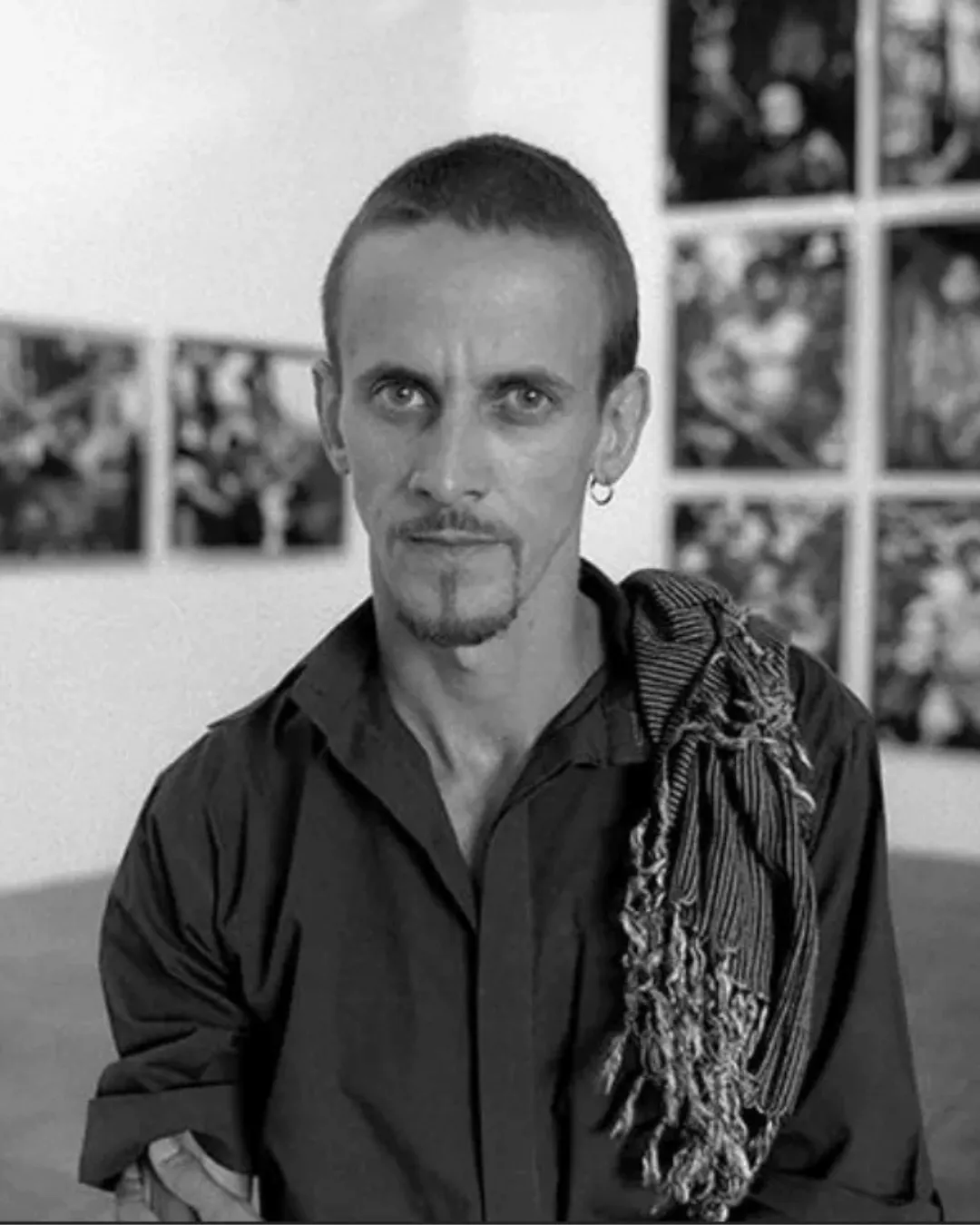
In 1989 I traded Australia's scorched red earth for the humid, secret-guarding jungles of South East Asia.
My first fieldwork took me via Vietnam to Cambodia; a nation at war with itself and drowning in the collective trauma of the Khmer Rouge’s killing fields; to the refugee camps along the Thai/Cambodian border and to Burma, a country plagued with its own long-running civil war.
Those early experiences, witnessing man’s inhumanity to man, were transformative and embedded in me an intolerance of injustice in all its forms. This ever-present injustice was to provide both the fuel and the direction for the odyssey that was to follow.
My life became intertwined with the tumultuous events that marked the era; a journey that took me through the highlands and the plains of a vast swathe of territories wracked by wars, revolutions and acts of God, from Nepal, Bangladesh and Burma, through Indochina and down through the Indonesian Archipeligo to Papua New Guinea.
I sought out scenarios that would best convey the spirit of peoples during pivotal moments; their highs and lows; striving to encapsulate the extremes of their existance; extremes which transcended the ordinary but which nonetheless, spoke truthfully of their plight.
This demanded an approach that was totally submersive; visual testimonies hallmarked by an emotional proximity to my subjects and the rationale of always being at the heart of events
Working independently freed me of fielty to any news organisation and their political and cultural bias, allowing me to work without censorship to create a body of work from an insider's perspective which faithfully encapsulates the zeitgeist of those decades.
In addition to my documentary work in the predominantly South East Asian region, my professional practice extends to the creation of photo-based and mixed-media artworks in which the recreation of memory is key, exhibitions, installations and publications and the teaching of photography.
Awards, yes there have been those too, but what are they compared to the privilege of being accepted and allowed to bear witness?
Incluso su Ulilearn Plus
Accesso illimitato per gli abbonati.
- Accesso immediato
- Disdici quando vuoi
- Pagamento sicuro
FAQ
Domande frequenti
Cosa sono i documentari Ulilearn?+
Opere esclusive che raccontano autori, progetti e linguaggi della fotografia contemporanea.
Sono inclusi nell'abbonamento?+
Sì, i documentari sono inclusi in Ulilearn+ senza costi aggiuntivi.
Per quanto tempo restano disponibili?+
Senza limiti di tempo, finché l'abbonamento è attivo.
Posso vederli su più dispositivi?+
Sì, dal browser su computer, tablet e smartphone accedendo con il tuo account.
Ci sono i sottotitoli?+
Dove disponibili, i sottotitoli sono indicati e attivabili nella pagina del contenuto.
Quando escono i nuovi titoli?+
Aggiungiamo nuovi documentari regolarmente; quelli in arrivo sono segnalati come “In uscita”.
Studi?
Puoi acquistare l'abbonamento a un prezzo vantaggioso.
Cosa dicono gli studenti
Continua a esplorare
Esplora il catalogo
Richiedi informazioni
Lascia i tuoi dati e ti inviamo il programma dettagliato e tutte le informazioni.